Showing posts with label fruit. Show all posts

Wednesday, May 28, 2014

Smoothie Pops

Some kids are out of school for the summer and warmer weather is upon us (in most places), so why not make some SMOOTHIE POPS?

Store bought popsicles are often filled with sugar and artificial colors, but smoothie pops are easy, healthy and refreshing. Just like the name says, make your typical smoothie and freeze it in popsicle molds.

Here's my son's favorite recipe:
  • mango
  • vanilla yogurt
Blend those two items and freeze. Voila!

The possibilities are endless.
  • Use whatever fruit you have in the house (it's a great way to use up any that might go bad)
  • Try yogurt or almond milk for different flavors
  • Purchase frozen fruit when/if it's on sale.
  • It's a good way to introduce new fruits into your diet. Kiwi not your favorite? Blend it with strawberries!
  • Blend the fruit completely or leave small chunks of fruit in the popsicle if you like.
  • Watermelon is great, put it in a blender then pour it into a popsicle mold. Nothing else needed!
  • These healthy pops can be eaten for breakfast too! It's a fun and different way for kids to eat their fruit.

Action Item: Make smoothie pops today (or buy/create popsicle molds first). These popsicles are healthier, taste great and reduce packaging waste!

For Further Reading: Fructose Watch: The Top Nine Healthiest Fruits You Can Eat and The Best Eight Fruits for Better Health


Monday, May 5, 2014

Fruit & Veg Muffins

Talk about a good way to fit fruit, vegetables and healthy fats into your diet, try these hearty breakfast muffins from www.allrecipes.com. I made these today and they are really good, sweet and moist! Ron was hesitant to try them, because he wasn't in the mood for a "veggie muffin," but he was pleasantly surprised when he ate one later in the day. He said "I didn't think they'd be that sweet."

It's not a quick recipe, but it's not difficult either. As the energy bars posted before, I like this recipe because of the changes you can make to suit your own taste. These muffins are not just for breakfast, I think they'll taste good at any time of day.

I recommend checking the reviews via the link above before making yours, and I've explained my substitutions below (in blue).

INGREDIENTS:
  • 2 carrots, shredded
  • 2 bananas, mashed
  • 1 zucchini, shredded (I used one zucchini and one small mashed sweet potato based on the reviews)
  • 1/4 cup vegetable oil (I used olive oil - coconut oil would be good too)
  • 1/4 cup yogurt
  • 2 eggs
  • 1 cup whole wheat flour (I used whole wheat pastry flour and added a little extra)
  • 1 1/2 teaspoons baking soda
  • 1/2 cup packed brown sugar (used 1/4 cup of honey instead)
  • 1/2 cup rolled oats
  • 1/2 cup shredded coconut (didn't have so didn't use)
  • 1/2 cup chopped pecans (used chopped walnuts)
  • 1/2 cup dried cherries (used chopped dates)
  • 1 teaspoon ground cinnamon
  • 1 teaspoon salt
  • 1/2 teaspoon ground ginger

DIRECTIONS:

1.  Preheat oven to 375 degrees F (190 degrees C). Grease 12 muffin cups or line with paper liners.

2.  Mix carrots, banana, zucchini, vegetable oil, yogurt, and eggs together until fully incorporated.

3.  Whisk flour and baking soda in a separate bowl. Mix brown sugar, oats, coconut, pecans, cherries, cinnamon, salt, and ginger into flour mixture until all ingredients are coated in flour. Stir wet ingredients into flour mixture until just combined. Scoop batter into the prepared muffin cups.

4.  Bake in the preheated oven until a toothpick inserted in the center of a muffin comes out clean and edges are slightly brown, 17 to 22 minutes. Cool in the pans for 10 minutes before removing to cool completely on a wire rack.


Action Item: Try these. East some now and freeze some for later!

For Further Reading: 10 Tips for Shifting from Processed to Whole Foods

Friday, May 2, 2014

Keep up the good work

If you are committing to a healthier you and following the mini-pledges to cut out processed foods OR if you are always on the lookout for creative and easy ways to add fruits and veggies to your diet, here are some ideas:

The Harvard Medical School Family Health Guide offers 13 ways to add fruits and vegetables to your diet. Here are some of them:

  • Be sneaky. Adding finely grated carrots or zucchini to pasta sauce, meat loaf, chili, or a stew is one way to get an extra serving of vegetables.
  • Try something new. It’s easy to get tired of apples, bananas, and grapes. Try a kiwi, mango, fresh pineapple, or another of the more exotic choices available at your grocery store.
  • Blend in. A fruit smoothie is a delicious way to start the day or tide you over until dinner.
  • Spread it on. Try mashed avocado as a dip with diced tomatoes and onions, or as a sandwich spread, topped with spinach leaves, tomatoes, and a slice of cheese.
  • Start off right. Ditch your morning donut for an omelet with onions, peppers, and mushrooms. Or boost your morning cereal or oatmeal with a handful of strawberries, blueberries, or dried fruit.
  • Give them the heat treatment. Roasting vegetables is easy and brings out new flavors. Cut up onions, carrots, zucchini, asparagus, turnips and coat with olive oil, add a dash of balsamic vinegar, and roast at 350° until done. Use roasted or grilled veggies as a side dish, put them on sandwiches, or add them to salads.

If you make a smoothie, why not freeze the rest into popsicles? Smoothie Pops, as we call them in our house, are a great warm-weather treat with no artificial colors or added sugar.


  • Make a smoothie as you normally would and freeze it in popsicle molds.
  • Use fresh or frozen fruits, sometimes frozen may be less expensive. Or buy up lots of blueberries when they are on sale and freeze them!
  • Fruits such as watermelon and mango can be pureed and frozen without any added ingredients or by adding a little yogurt to the mango.
  • The fruit combinations are endless... keep trying different fruits, yogurt, juice or almond milk.
  • Delicious and healthy! My son even eats these with his breakfast some days.


Action Item: If you don't have popsicle molds, you can make popsicles using small paper cups and popsicle sticks or even plastic spoons (if you have any that you want to use up!) If you like to eat fruit this way, then down the road you can invest in re-usable popsicle molds.

For Further Reading:

Sunday, February 23, 2014

Cherimoya

This fruit is new to me. Anyone else? I've never heard of it, and don't think I've seen it in the store before. After reading the description, it's worth giving it a try! Probably not all the time, because it only grows in southern CA it seems.

Here's what I read in Vegetarian Times that made me so interested:

Don't let cherimoya's reptilian appearance deter you; this tropical fruit tastes like a cross between pineapple, mango, coconut and vanilla.

PICK: Choose cherimoya that are uniformly green, heavy for their size, firm and free of cracks or soft spots. Ripen the fruit at room temperature away from direct sunlight until it begins to darken and yield to slight pressure like an avocado, says George McMangle, of Grove Stand in Fallbrook, Calif. Once ripe, eat promptly or store in the fridge for no more than three days, he advises.

Fun Fact: With its sweet, white flesh and velvety texture,
cherimoya is also called custard apple.

PREP: To serve, McMangle suggests slicing the fruit in half, discarding the seeds, and scooping out the custard-like flesh with a spoon. Alternatively, peel with a paring knife, and cut the flesh into cubes for salads, or puree and use in tarts, pancake batter, puddings, or quick breads. "The creamy texture is also ideal for making sherbet, ice cream, and smoothies," McMangle adds.

TRY THIS:
  • Place cherimoya pulp in a blender along with a coconut beverage, silken tofu, cashew butter, vanilla extract and ice cubes; whirl into a tropical-tasting smoothie.
  • Simmer together steel-cut oats, cherimoya puree, almond milk, ground ginger, and cinnamon for a hearty breakfast bowl.
My mouth is watering thinking of this delicious fruit! The only problem is that to get it in the rest of the US, that's a lot of traveling and cost. Not good for the environment or for your wallet.


Action Alert: If you run across one at the store, in a restaurant or while traveling, give it a try!

For Further Reading: Kitchen Dictionary: Cherimoya Fruit and Cherimoya Fruit Nutrition Facts

Wednesday, February 5, 2014

Fruit Leather

I grabbed a several pieces of fruit leather (fruit roll-ups) while at the store. I checked the ingredients first, especially making sure they contained no artificial food coloring. I then asked myself "why don't I make these more often?" Homemade fruit leather is healthier, less expensive and requires no packaging.

So I searched for the recipe a few minutes ago in order to share it (see the link below)... use whatever fruit you have on hand, blend it, place it in a pan and cook it on a very low temp for hours. I think I lightly oiled the pan rather than using plastic wrap or parchment paper. I was worried about heating the plastic, and what might come out of that and I also had no parchment paper.

Action Item: Check your kitchen, you should have fruit or even applesauce (natural, please). Try a batch of these today! They're not just for kids, but a great snack for anyone.

For Further Reading: Two Peas & Their Pod

Wednesday, January 29, 2014

Pomegranates


Our family adores pomegranate seeds. At one point, I dreaded buying them because it was a pain to get the seeds; it took lots of time and everything close by ended up covered with pomegranate juice. Until I saw this...How to De-seed a Pomegranate... and it really works!

The name for the pomegranate fruit is derived from Latin and literally means "seeded apple." Only the seeds are edible and are found inside this large, hexagonal-shaped red fruit. An average pomegranate contains about 600 juicy seeds, also known as arils, which are encapsulated in white pith. The pomegranate fruit is low in calories, high in fiber, high in vitamins and high in phytochemicals that may promote heart health and help to prevent cancer. (Livestrong.com)

Try them sprinkled over salads, swirled into yogurt, blended into a smoothie or of course as a snack by itself. Lots of recipes include pomegranate seeds, such as these at allrecipes.com. I have not tried these, but salads with pomegranates look especially yummy.


Action Item: Pomegranates are in season from Sept to February, so run to the store now!

For further reading: Health Benefits of Pomegranates and Pomegranate Power

Thursday, January 16, 2014

In Your Face

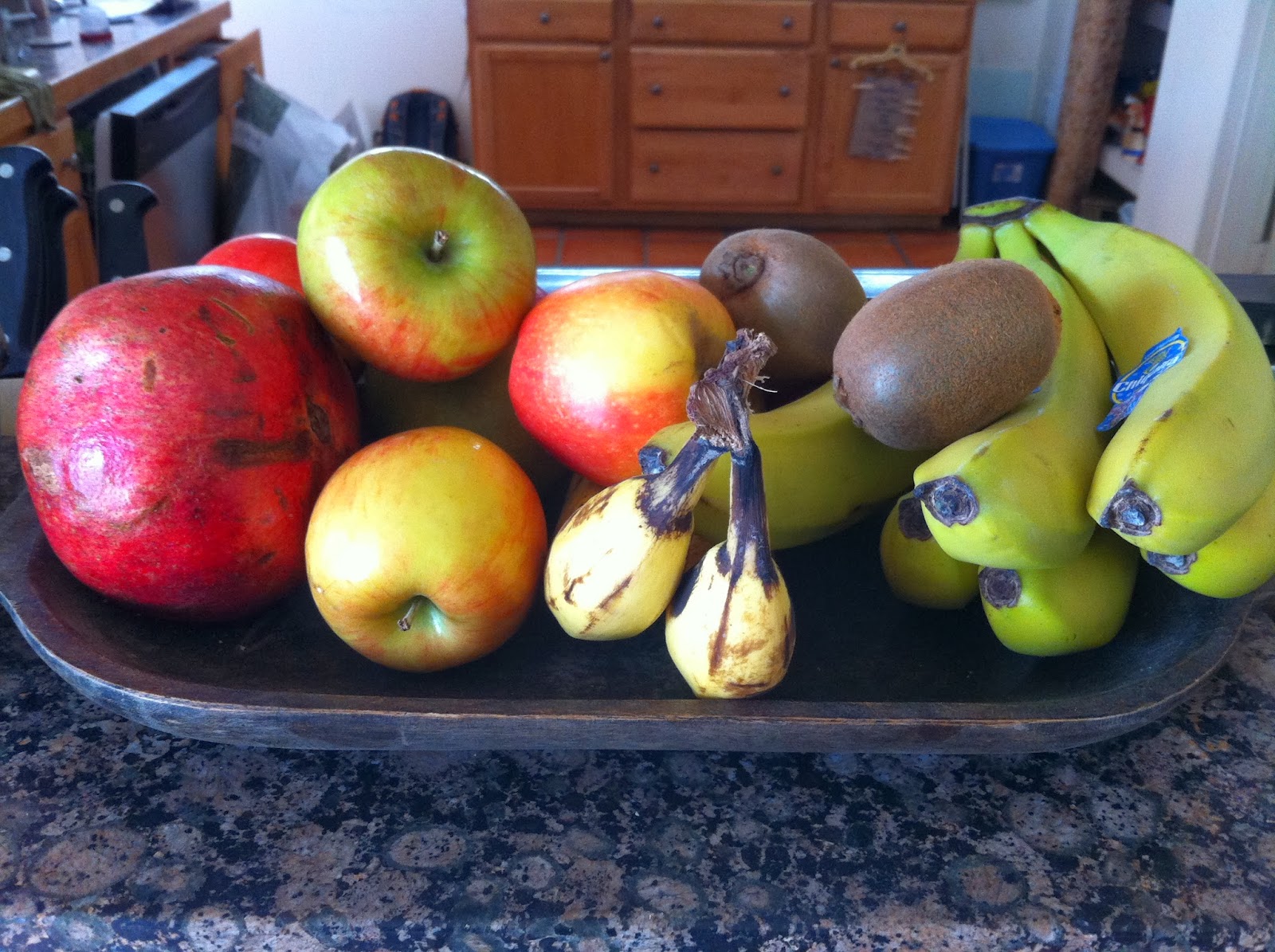
We all know that it helps to avoid unhealthy snacks by keeping them out of the house. I read that your house should be a safe zone (especially for kids) because we are all faced with so many temptations everywhere we go. So true! That being said; most of us need a snack a some point. Keep yummy, healthy, natural snacks out on the counter and in places where you can see them!

This is what works for us. Fruit is on the counter in a convenient place and ready-to-eat grapes or sliced carrots in the refrigerator. Nuts are in glass jars easily accessible, and they are always in sight (ours are behind clear glass cabinet doors).

You can keep your snacks in your face throughout the day as well, by never leaving the house without some healthy snacks in your purse, backpack or pocket! That way you resist the temptation to eat something you don't need. I never leave the house without fruit or pretzels or nuts or a granola bar. Dried fruit (without added ingredients) is a good choice so you don't find a solid black mushy banana in your backpack like I have been known to do!


Action item: Get unhealthy, empty-calorie snacks out of your house and off your shopping list. Your body will thank you!

For further reading: Need ideas for healthier snacks. This is not a perfect snacking list, but offers good ideas if you're stuck in a rut. Some of the items - such as granola bars - can be very unhealthy. As always, read labels, choose foods with ingredients that will fuel your body, and make the best decision out of the choices at hand.

Wednesday, January 15, 2014

Organic

Organic. You're either all for it or hate to hear the word. I saw something written about labeling organic food, and it made perfect sense. Why must real, unprocessed, healthy food be labeled? Why not label the other stuff as "un-organic" or "warning: pesticide residue." It doesn't make much sense.

I agree that fresh fruit and vegetables should be affordable (and accessible) for everyone, but that's a topic for another day and probably for someone else. For those of you with a green thumb, keep growing your vegetables and let's find ways to get it in the hands (and mouths) of people (and kids) who need it! I'm trying, but I am just no good at growing or keeping anything alive. Going to try again this spring if I can keep our dog out of the beds!

Back to topic... everything you buy does not need to be organic unless that's how you choose to shop and eat. Remember though, we as consumers say a lot with our purchases, so if we buy more organic products companies will start to listen.

To help get you started, here's list of fruits and vegetables that you should try to buy organic when possible. On that link, there's also a list of "clean" foods that you don't have to buy organic to feel good about them.

Action item: If this is an area you don't know much about, read the articles below to make better-informed decisions about "clean" fruits and vegetables. Better yet, print out a list or save one in your phone to double check when shopping.

For further reading: Nutrition of Organics vs. Non-organics (this also mentions organic vs. local and fresh vs. frozen).
Organic vs. Nonorganic

Saturday, January 11, 2014

Sweet snack

I often (and I mean often) eat vanilla yogurt with frozen wild blueberries. So delicious. You might like it for the same reasons that I do - it's filling, visually appealing, tasty and sweet, has a nice texture with the frozen blueberries, and it's good for you! There are, as always, a few things to remember.

Yogurt: Many brands have LOTS of sugar. Eat plain if you can and sweeten it with a natural sweetener such as honey. Or make your own! I started making yogurt after learning how to from a friend in Boston. I use agave nectar (still reading more about this) to sweeten mine and add a little vanilla. This way you have control of the sugar levels. Plain yogurt may be sweet enough for you with the added fruit. Some people also prefer soy yogurt, kefir or other options.

Blueberries: I prefer frozen because of the texture, and wild because they are smaller and tastier. But use your fruit of choice!

For us, this is a good addition to breakfast or a post-workout snack. Yogurt, with live and active cultures, helps maintain balance in your intestines. In other words, eating yogurt on a regular basis may help your intestines stay happy. And who doesn't want that?


Action Item: If you currently eat yogurt, especially yogurt with fruit in it, check the sugar levels. You might be surprised. If the sugar content is low, make sure it's not artificial sweetener (unless of course, you have diabetes or otherwise need some artificial sweetener in your diet).

Further reading:
1) What are Probiotics?
2) Make Homemade Yogurt - (I bought a small appliance that keeps the yogurt "cooking" at the right temperature, but it uses small containers which can be bothersome to empty and clean. I'm definitely going to try this method. My friend, who told me about making my own, kept hers warm overnight on her radiator!)